What Is Cloud Mining and How Does It Actually Work?
"Cloud mining" gets thrown around a lot, and it's easy to assume it's just a fancier word for buying crypto. It isn't. Mining — cloud or otherwise — is about selling computing power to a blockchain network in exchange for newly issued coins and transaction fees. Cloud mining just means someone else owns and runs the physical hardware, and you rent a slice of its output.
Where the hardware actually lives
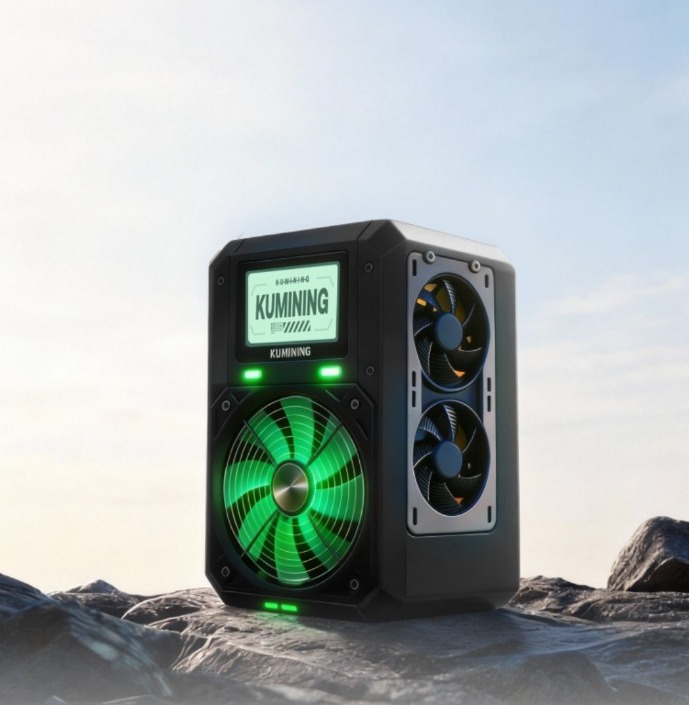
Proof-of-work networks like Bitcoin, Litecoin, and Dogecoin pay out rewards to whoever's hardware solves a cryptographic puzzle first. That hardware is specialized (ASICs for BTC/LTC, GPU farms for some other chains), expensive, loud, and power-hungry. A cloud mining provider buys and operates that hardware in a facility with cheap electricity and good cooling, then sells contracts on slices of its total hashrate — the "packages" or "plans" you see listed on a site like this one.
When you activate a package, you're not buying a coin at today's price. You're buying a claim on a share of future mining output for the length of the contract, paid out as it's earned.
Why the yield isn't fixed
A package's advertised daily output is an estimate, not a guarantee, because three things move underneath it every single day:
- Network difficulty — as more global hashrate joins a network, the puzzle gets harder and the same hardware earns a smaller share of each block.
- Coin price — your reward is paid in the coin itself; its USD value swings with the market.
- Pool performance — which mining pool your hashrate is routed through, and how consistently it finds blocks, affects short-term variance.
Any provider promising a perfectly fixed daily USD return regardless of these three variables is either subsidizing you from other users' deposits, or not mining at all.
What you should actually check before depositing
- Does the platform show live hashrate, a real difficulty feed, or any mining-pool detail — or just a balance that goes up?
- Are withdrawals paid from mining proceeds, or does the math only work if new deposits keep flowing in?
- Is there a real, verifiable deposit wallet per coin, not a single shared address for everyone?
Cloud mining is a legitimate business model used by large-scale operators worldwide — but like any yield-bearing product, it's worth understanding the mechanism before you fund it, not after.
KuMining shows live difficulty and real-time output for every plan before you commit.
View Mining Market